
reflective glass facade
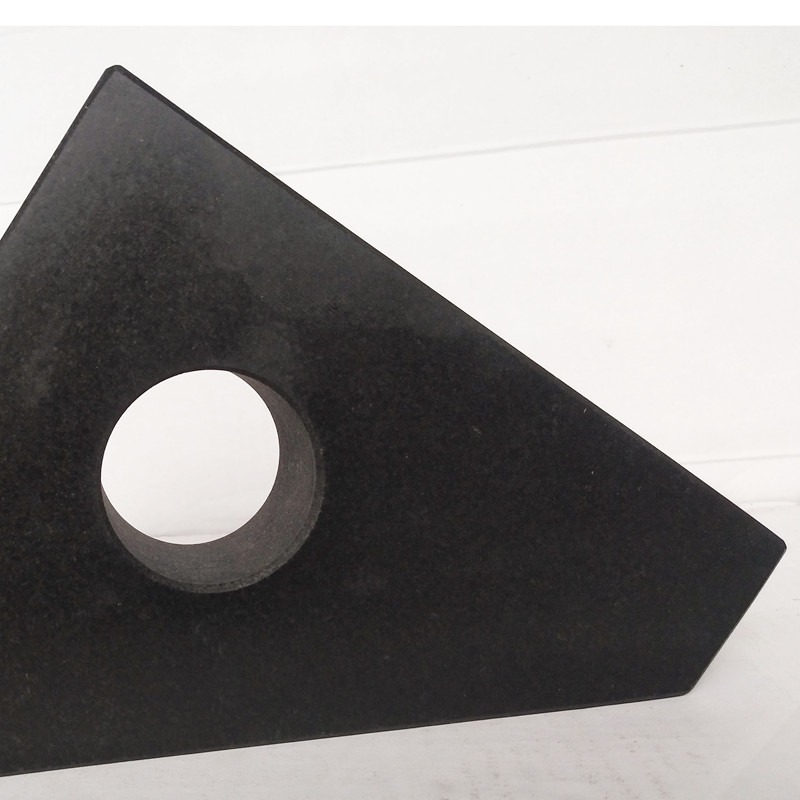
Understanding the Steel Ring Gauge A Precision Measurement Tool The steel ring gauge is an essential instrument in manufacturing and quality control, often utilized for precision measurement in various industries. Designed primarily for measuring the dimensions of objects, these gauges serve as a tool for ensuring that parts and components meet stringent specifications and tolerances. A steel ring gauge typically consists of a hardened steel body in the form of a ring, with inner diameters that are meticulously engineered. The rigidity and durability of steel make these gauges suitable for repeated use, providing consistent, accurate measurements over time. The use of high-quality steel also reduces the likelihood of wear and deformation, which can compromise measurement accuracy. The primary function of a steel ring gauge is to verify the diameters of cylindrical objects, such as shafts, pins, and other machined components. They come in two main types the go gauge and the no-go gauge . The go gauge is designed to fit onto the standard dimensions of the object being measured, indicating that the part meets the required specifications if it fits snugly. Conversely, the no-go gauge does not fit this standard, alerting the operator that the part exceeds permissible limits in size. steel ring gauge Manufacturers often employ these gauges in processes like machining, assembly, and surface finishing. By using steel ring gauges, they can identify defects early on, prevent faulty parts from progressing through production, and ultimately maintain high quality in their output. With the increasing reliance on automation and robotics in manufacturing, the role of precision measurement has become even more vital, further solidifying the importance of steel ring gauges in modern industrial practices. In addition to their use in manufacturing, steel ring gauges are also instrumental in research and development settings. Engineers and researchers often utilize these precision tools to obtain accurate measurements during the prototyping phase of product development. Ensuring that parts meet exact specifications before mass production can save valuable time and resources, preventing costly rework and ensuring customer satisfaction. One of the notable advantages of steel ring gauges is their adaptability. They can be tailored to meet specific requirements by creating custom sizes and shapes, allowing businesses to address unique measurement challenges. Furthermore, advancements in technology have led to the development of digital ring gauges, which provide electronic readouts and can store measurement data for analysis, enhancing efficiency in the inspection process. In conclusion, the steel ring gauge is a vital tool for precision measurement in manufacturing and quality control. Its design, reliability, and adaptability make it an indispensable asset in various industries. As advancements in technology continue to shape the future of manufacturing, the steel ring gauge will undeniably continue to play a critical role in maintaining high standards of precision and quality. Emphasizing the importance of this tool can help organizations uphold their commitment to excellence and efficiency in their operations.
about
reflective glass facade
Replacing a Water Valve A Step-by-Step Guide Water valves are essential components in your home's plumbing system, controlling the flow of water to various fixtures and appliances. Over time, these valves can wear out, leak, or become damaged, necessitating replacement to ensure the efficiency and safety of your plumbing. Here, we provide a comprehensive guide on replacing a water valve, including the different types of valves, tools required, and step-by-step instructions. Types of Water Valves Before diving into the replacement process, it’s essential to understand the various types of water valves you might encounter 1. Gate Valve Typically used for on/off control, gate valves enable full flow when fully open but are not ideal for throttling. 2. Ball Valve Known for its durability and excellent sealing properties, a ball valve is either fully open or fully closed, providing reliable performance. 3. Globe Valve Used for regulating flow, globe valves offer better throttling capabilities compared to gate or ball valves. 4. Angle Valve Commonly used for water supply to fixtures, angle valves allow for more compact arrangements. Tools and Materials Needed To replace a water valve, gather the following tools and materials - Adjustable wrench - Pipe wrench - Screwdriver (flathead and Phillips) - New water valve (matching the type and size of the old one) - Plumber’s tape - Bucket or towels (to catch any residual water) Step-by-Step Instructions 1. Turn Off the Water Supply Locate the main water shutoff valve and turn it off. If applicable, shut off the water supply to the specific fixture or area where the valve is located. replacing water valve 2. Drain the Pipes Open a faucet near the valve you’re replacing to release any residual pressure in the system. This step will also help drain any water left in the pipes. 3. Remove the Old Valve Use an adjustable wrench or a pipe wrench to loosen the fittings on both sides of the valve. Carefully detach the valve from the piping. Be cautious, as residual water may spill out. 4. Clean the Pipe Threads Once the old valve is removed, check the ends of the pipes for any old plumber’s tape or debris. Clean the threads to ensure a good seal with the new valve. 5. Install the New Valve Apply plumber's tape to the threads of the pipe to ensure a watertight seal. Position the new valve in line with the existing pipes, making sure the flow direction matches the old valve. Hand-tighten the fittings before using a wrench to secure them. 6. Reconnect and Tighten Carefully tighten the fittings with your wrench. Ensure not to overtighten, as this could damage the threads or the valve itself. 7. Turn On the Water Supply Slowly turn on the main water supply or the specific valve you shut off earlier. Check for leaks around the newly installed valve. If you notice any dripping, turn off the water and check the fittings for tightness. 8. Test the Valve Open and close the newly installed valve a few times to ensure it operates properly. Monitor for any leakage during and after the testing process. Conclusion Replacing a water valve may seem intimidating, but with the right tools and careful attention to detail, it can be a manageable DIY project. Understanding the types of valves and their functions will help you make informed decisions during the replacement process. Regular maintenance and timely replacement of plumbing parts can save you from more significant issues down the line, such as water damage or costly repairs. Always remember to prioritize safety, and when in doubt, don’t hesitate to consult with a professional plumber.
-

High quality industrial productsagement

High quality industrial products
View Details -

Meet the diverse needs of customers

Meet the diverse needs of customers
View Details -

Strict quality control

Strict quality control
View Details -

Top raw materials

Top raw materials
View Details -

Trusted supplier

Trusted supplier
View Details
Our application

news and information

Versatile 3x6 Fabrication Table Designed for Welding Projects and Metalworking Applications
The Versatility and Importance of a 3x6 Welding Table Welding is a critical skill in various industr

Vibration Dampening Pads for Industrial Machinery and Equipment in Heavy Applications
Vibration Damping Pads for Heavy Machinery An Essential Component for Performance and Longevity In t

Varausvärelypadin valmistajat ja niiden tarjoamat ratkaisut teollisuudelle
Tärinäpadsien valmistajat Innovaatioita ja laadukkaita ratkaisuja Tärinäpadsit ovat yhä tärkeämpiä e
 English